Categories
Dance Music Hall photography

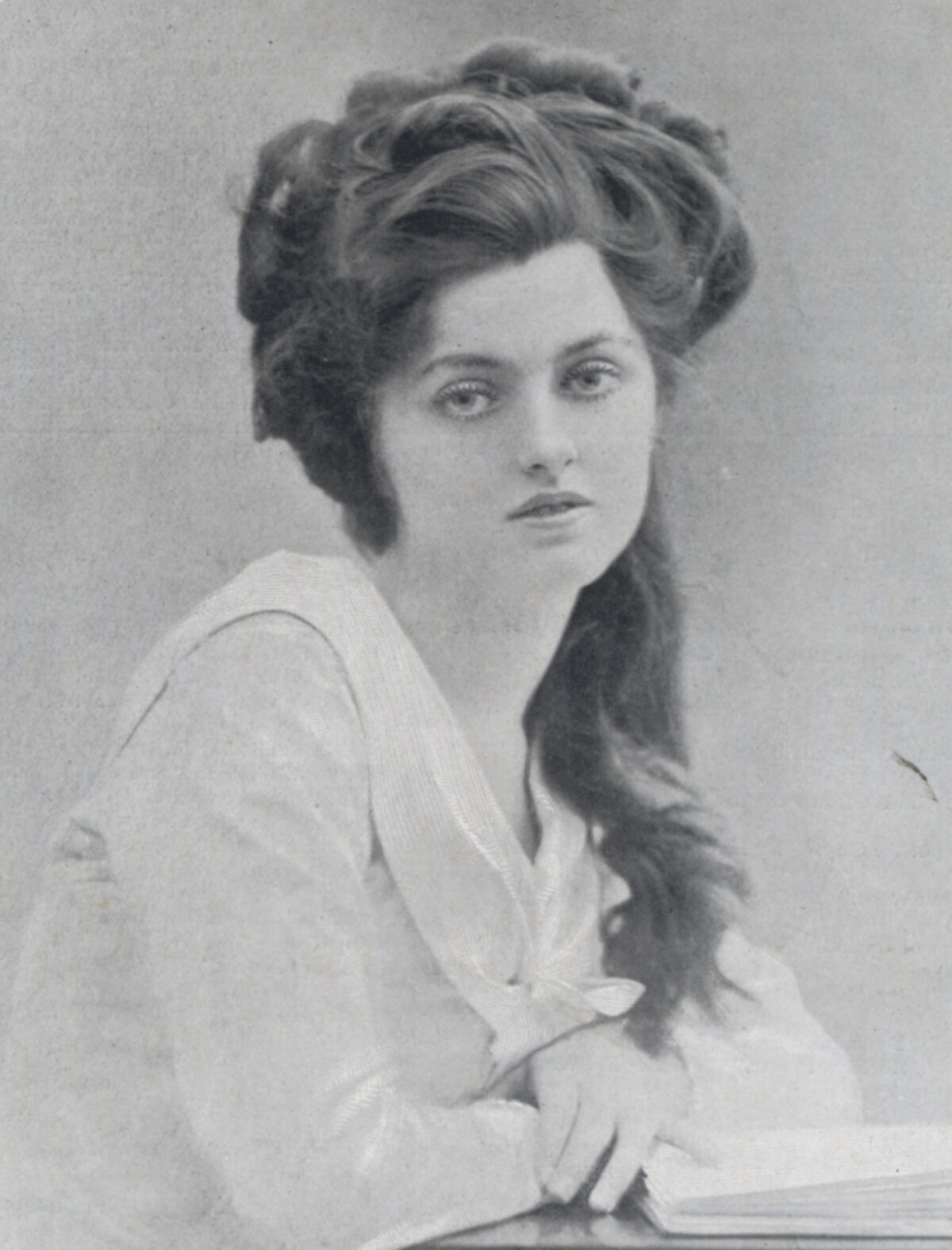
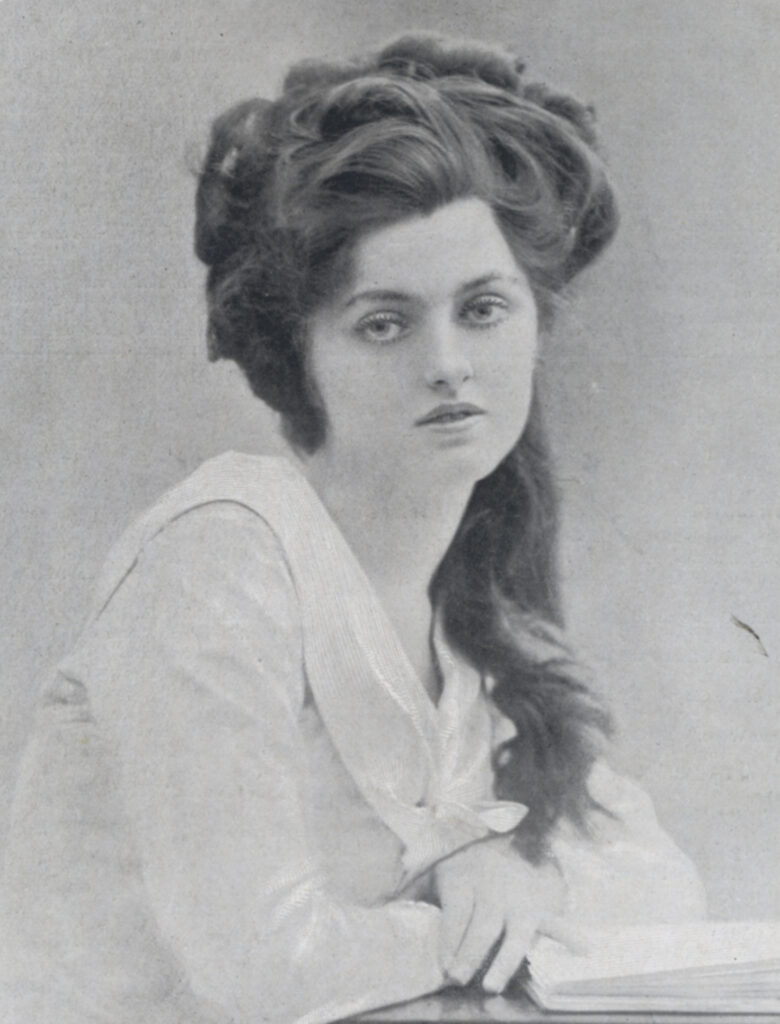
Music Hall Gaiety Girl Sylvia Storey AKA the Countess Poulett

Sylvia Storey was a British stage performer associated with Edwardian musical comedy. She was linked to the Gaiety Theatre, London and hence was known as a “Gaiety Girl.”
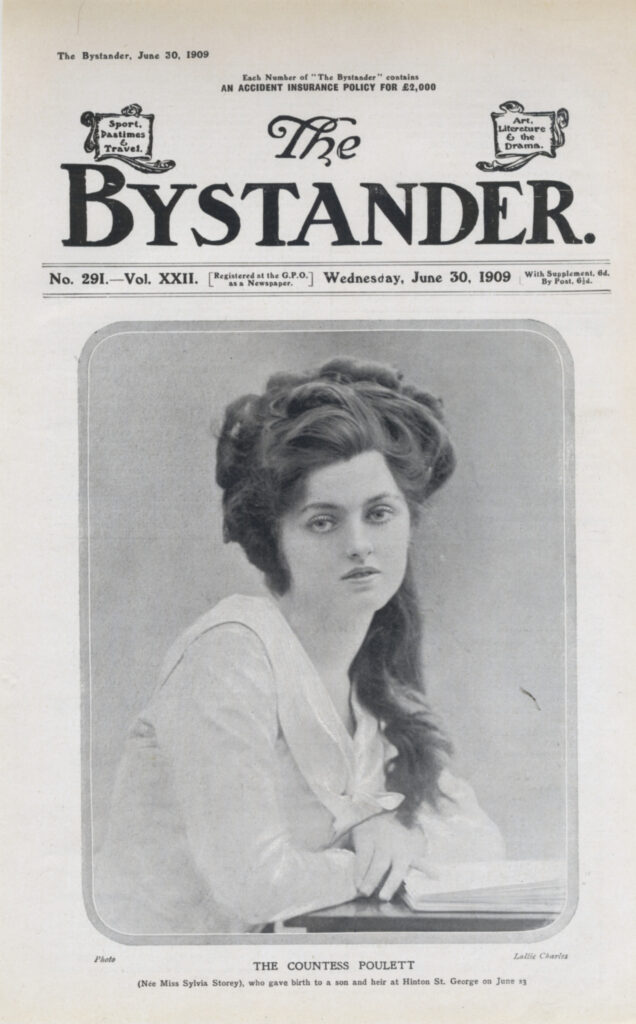
The image at the top of the page comes from an edition of The Bystander dated June 30th 1909 by which time Sylvia had become the Countess Poulett. She married in 1908 and she and her husband travelled around the world. William Poulett, 7th Earl Poulett died in 1918 during the flu epidemic.

After she was widowed she became a socialite spending time in the United States. While spending time with Coco Chanel and the Duke of Westminster on his yatch, the Duke’s wife became jealous and threw Poulett’s belongings overboard.

In later life she took a cottage in Somerset.
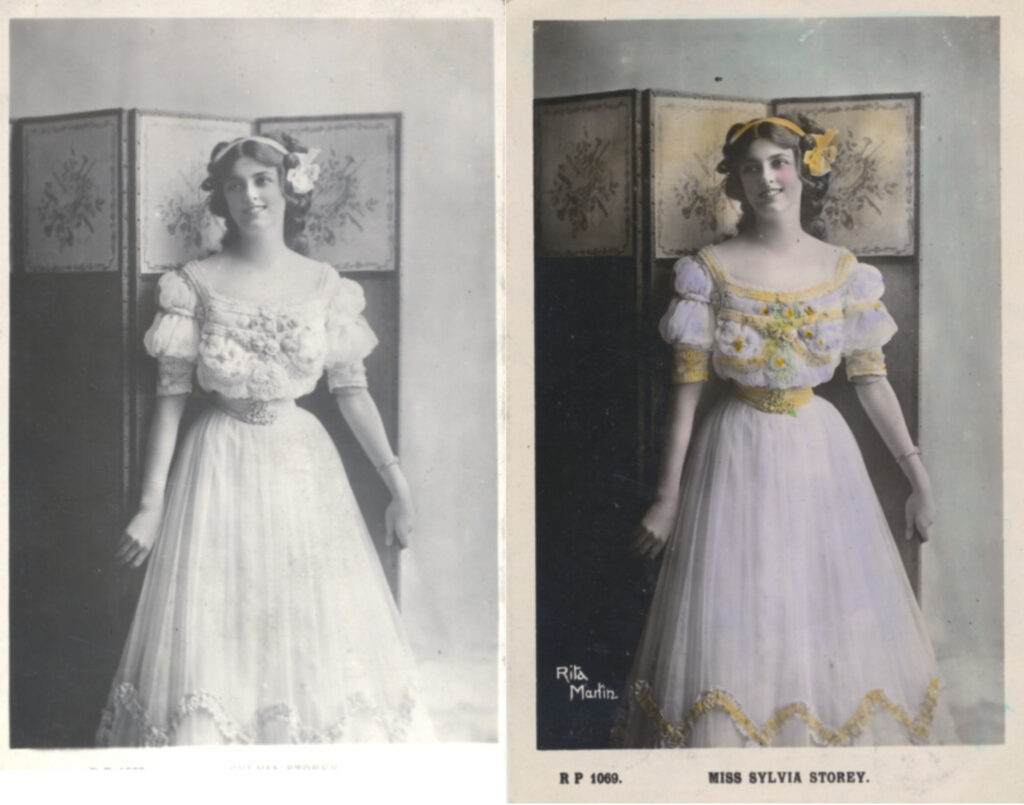
Gaiety Girls were to be seen in chorus lines and were reputed to be more refined than other dancing girls in the music hall. As well as dancing they often posed for postcards and cigarette cards. Above you can see Sylvia in both black and white and colourised. Purists tend to frown on the practice of colourising old photographs today but it was common practice in the early twentieth century. The process of colourisation was carried out by “hand tinting” though this effect was was achieved in different ways.

The practice of hand tinting will be described in more detail in a later post. There will also be more information about Gaiety Girls. Sylvia Storey was far from the only Gaiety Girl to marry into the aristocracy.
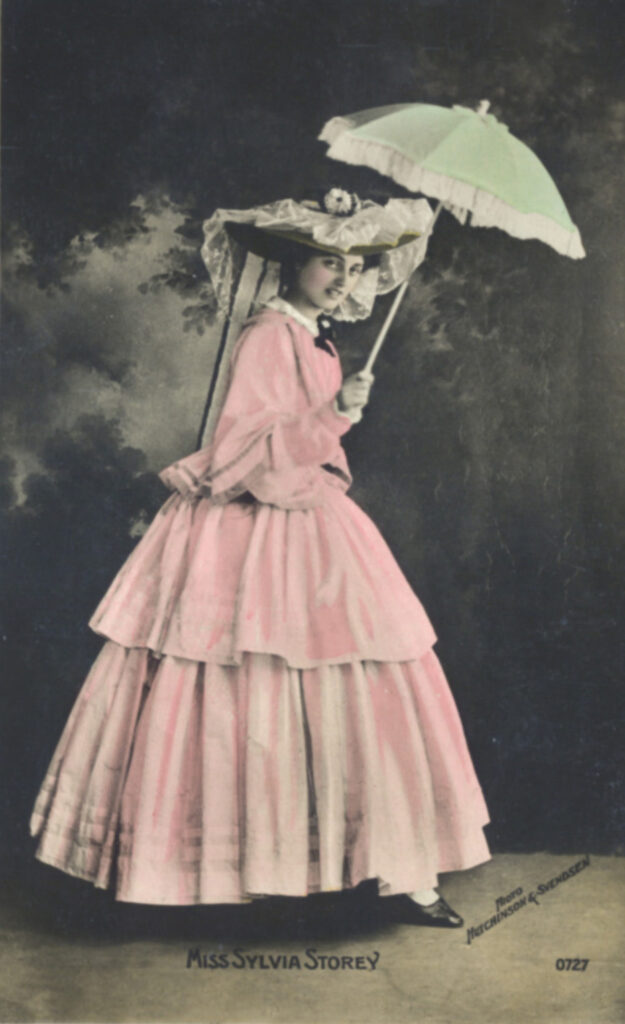
Here’s another colourised card of Sylvia Storey. There are many more postcards of Sylvia out there and I will be adding them from time to time.

Categories
Edwardian photography

Another Mystery Woman

Three photographs that are a bit of a mystery. They are large prints 8″ by 10″. The woman is elaborately dressed and the backdrop sumptuously rendered. A series of letters and numbers in the corner of each shot gives no clue. They are all backed by black rice paper to which they have been glued, so from an album without any information on the back that can be recovered. I’ve only seen photos stuck to this kind of paper when they are of some age. My guess is that these were taken in the Edwardian era but I could be completely wrong.

Of course this is typical of many old photographs. Working out when they were taken is often a matter of guesswork. These three are silver gelatin prints which again points to early twentieth century but silver gelatin prints are still produced today although much less frequently.

Mystery Solved

Thanks to Dra90n R163r on Flickr the photographs were of Diana Wynyard as Lady Gertrude Chiltern in ‘An Ideal Husband.’ The photographer was no less than Cecil Beaton and they are dated 1947.

Categories
Dance Edwardian

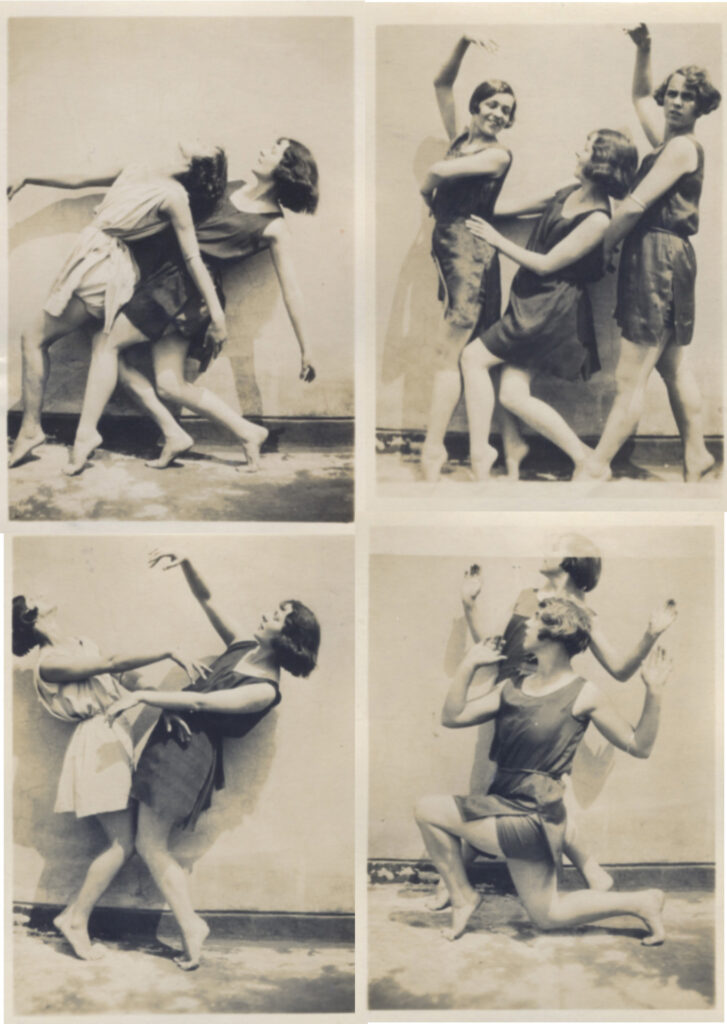
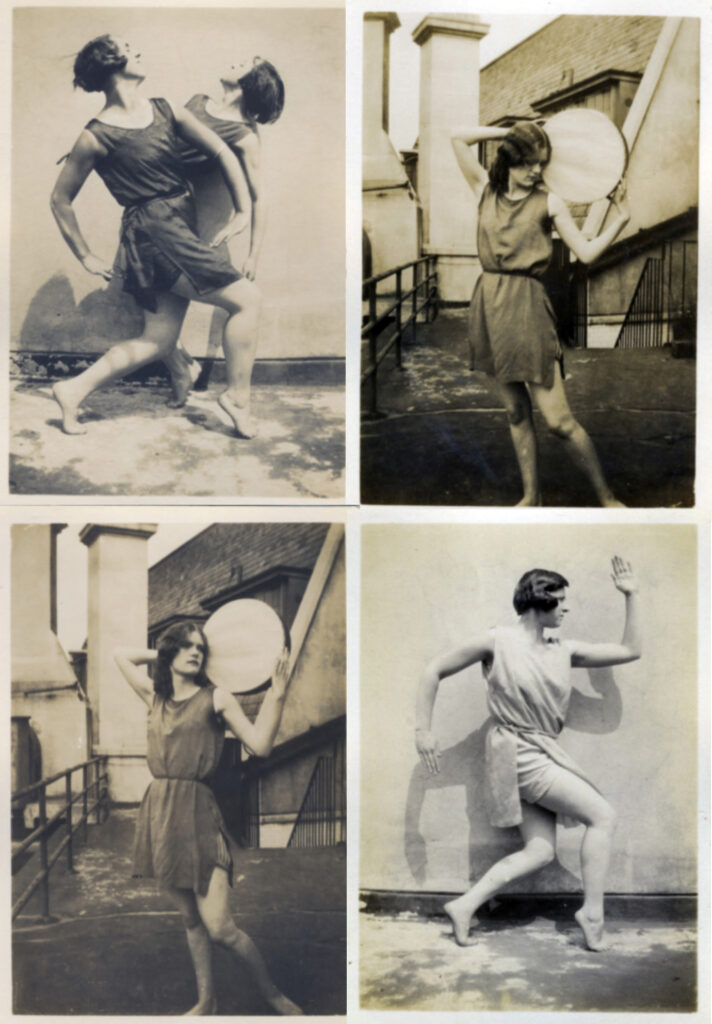
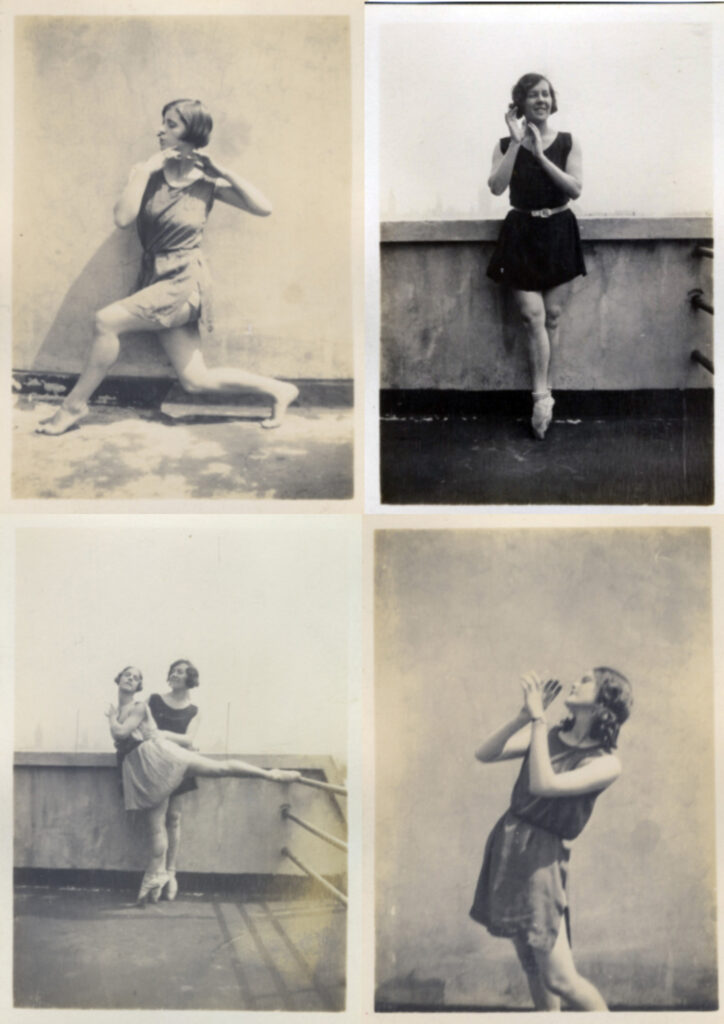
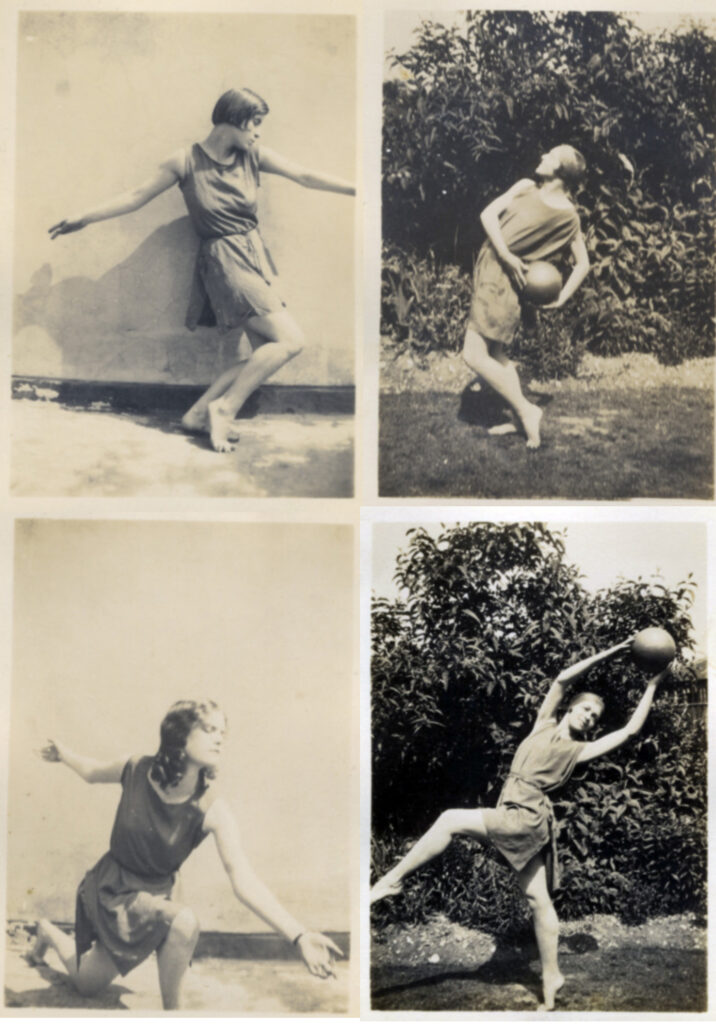
Vintage Dancing Girls: Dance Poses

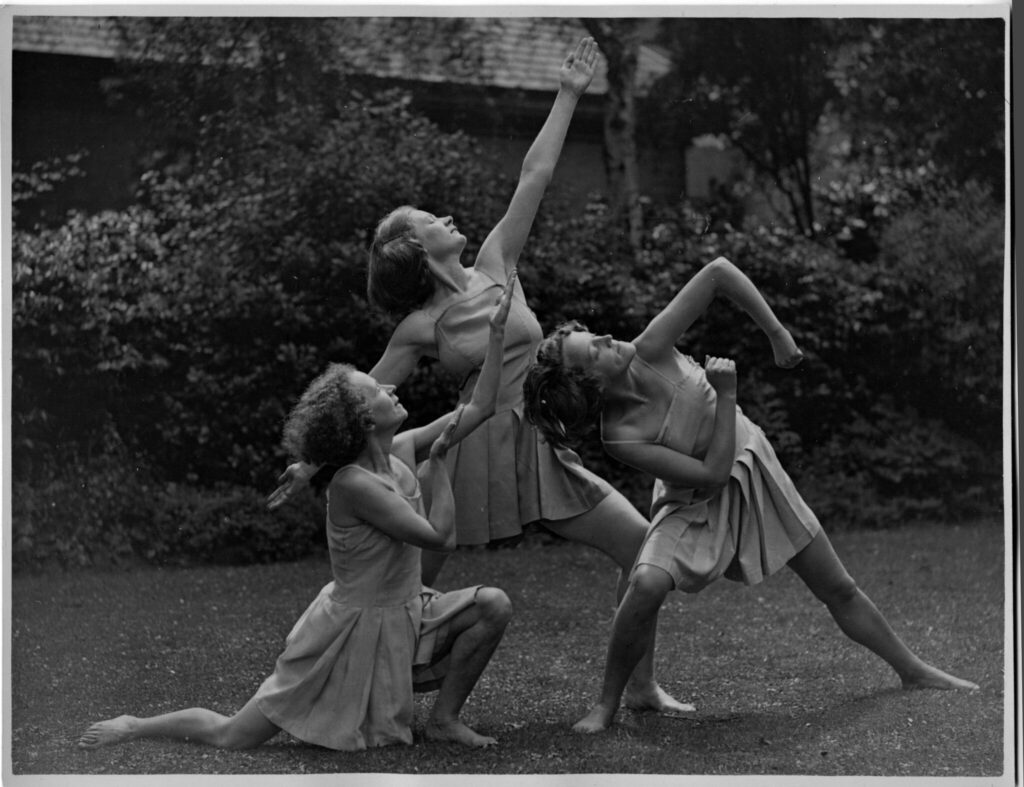
I recently acquired a set of 20+ photographs of girls in dance poses. I assume these were taken to illustrate to other dancers the basic poses. The size of the photos is 2 inches by 3 inches and the quality is not great. There’s no information to show who the dancers were, who the photographer was or at what date they were taken. My guess is they date back to the Edwardian era. More poses from this series are shown below.

I would further speculate that these poses were influenced by Isadora Duncan and her followers as she often performed barefoot and in a short tunic.

This photo is larger and from a different source but you can see the same posing ideas being put into practice.

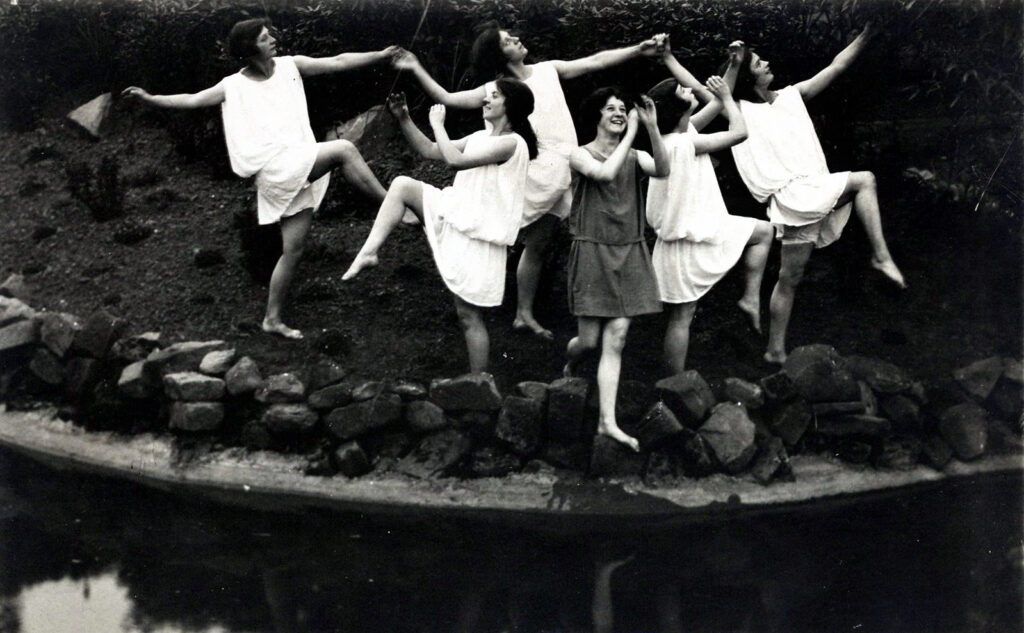
And here’s another set of dancers barefoot and in tunics.

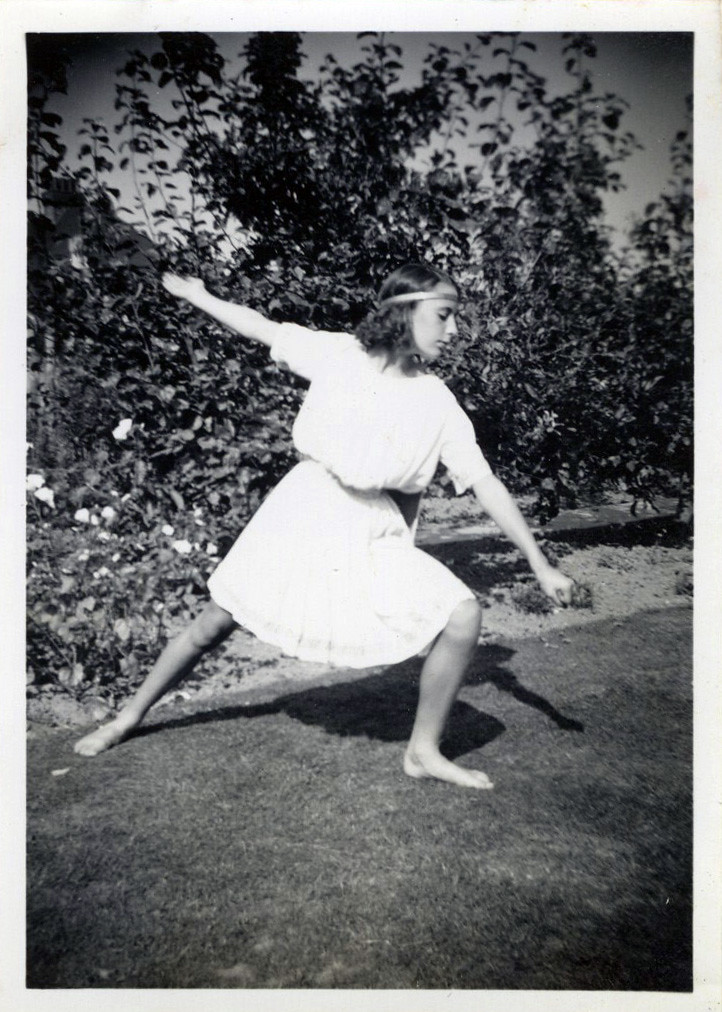
And a solo dancer striking a pose. Once you start looking you will find many dancers who all seem to be working from the same templates.

Categories
Edwardian photography Social history

Family Life

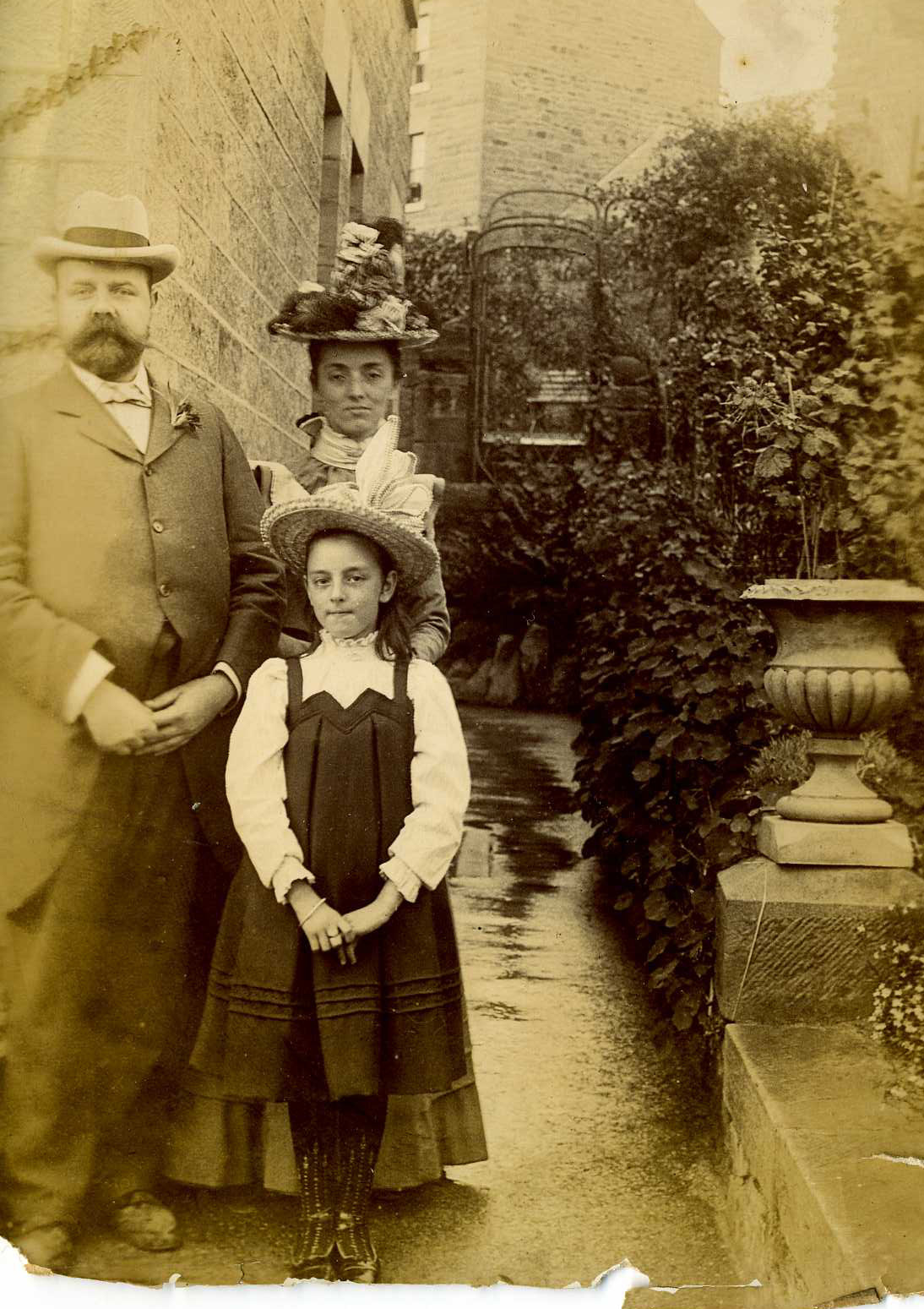
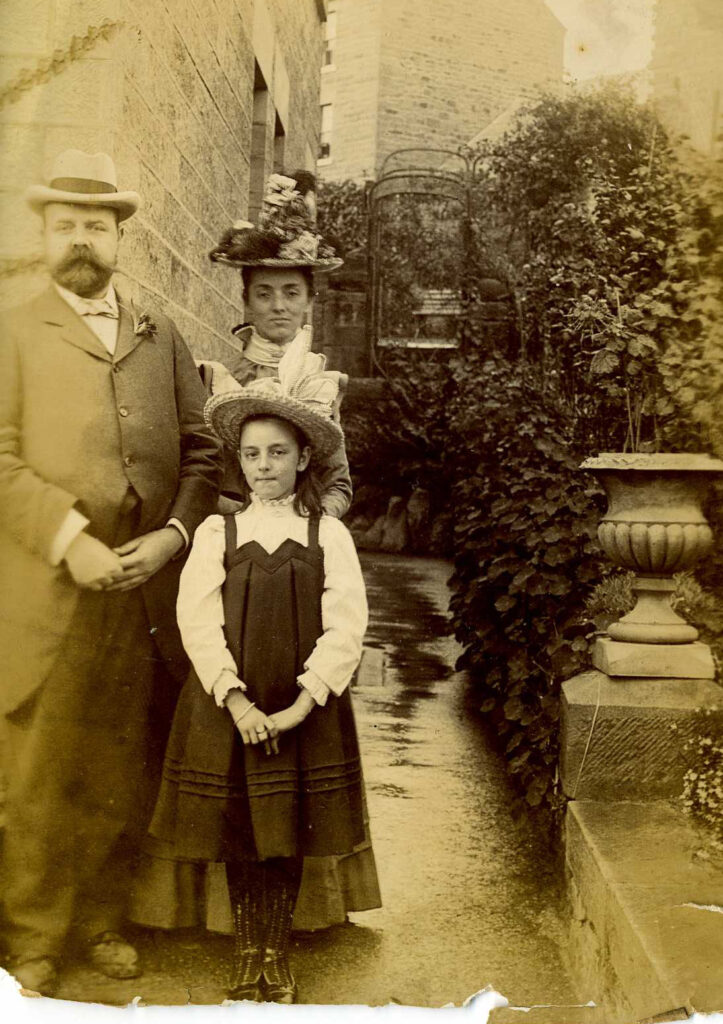
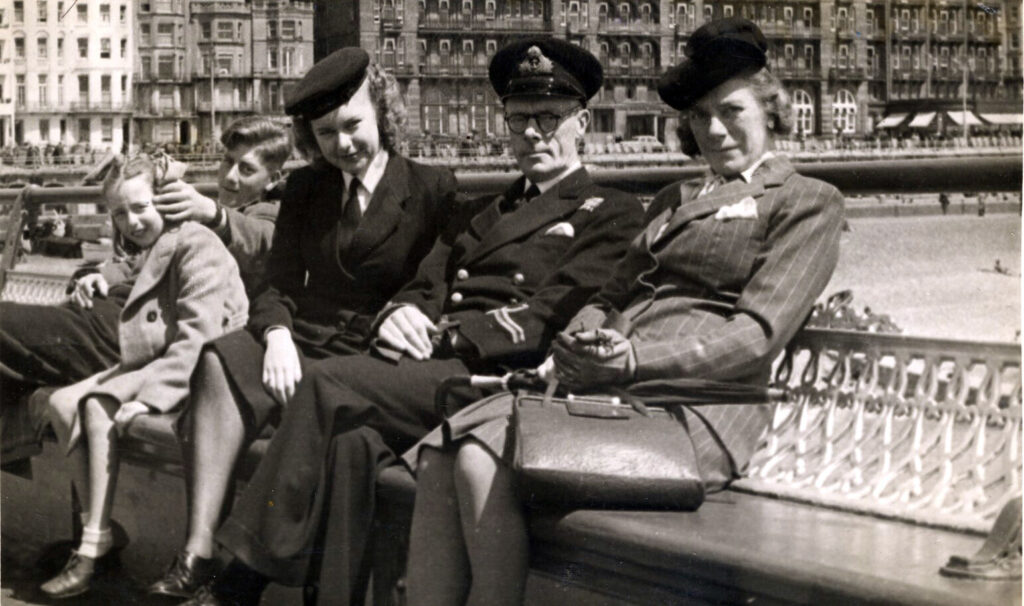
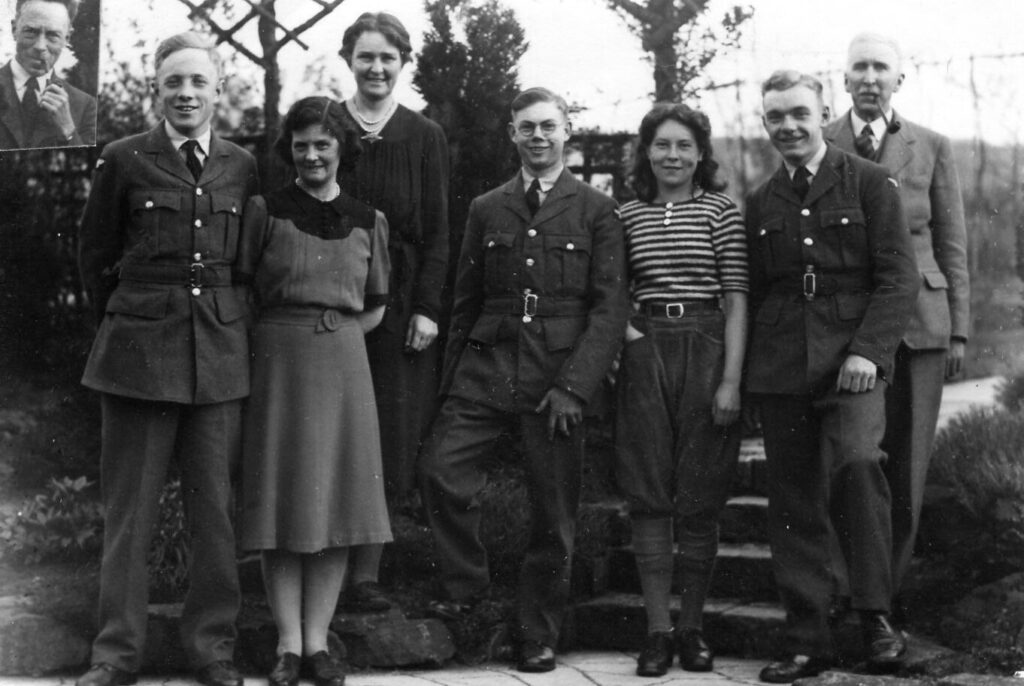
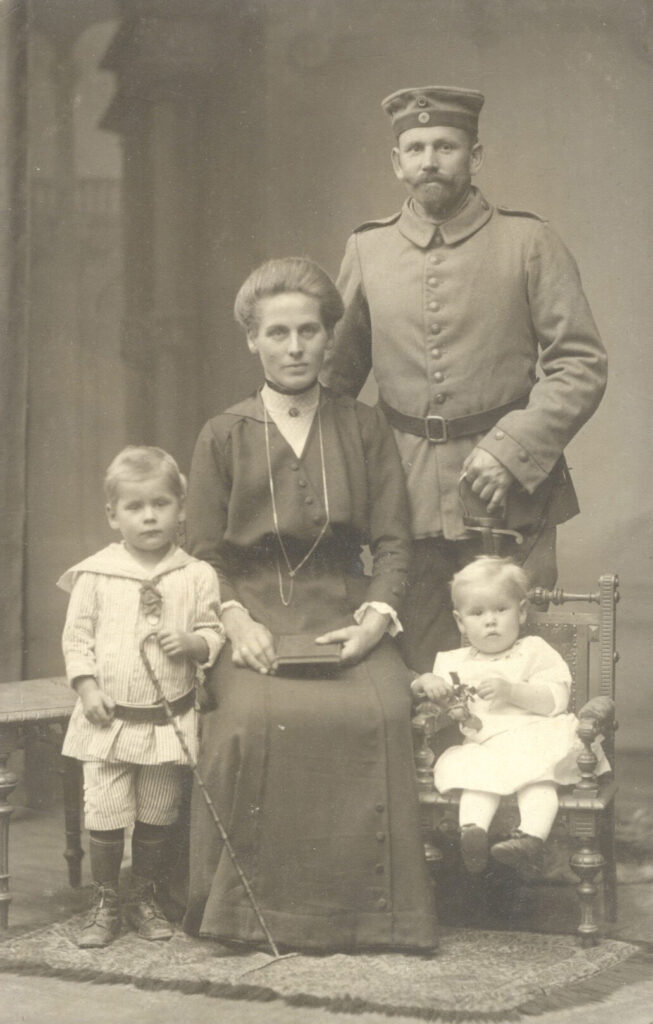
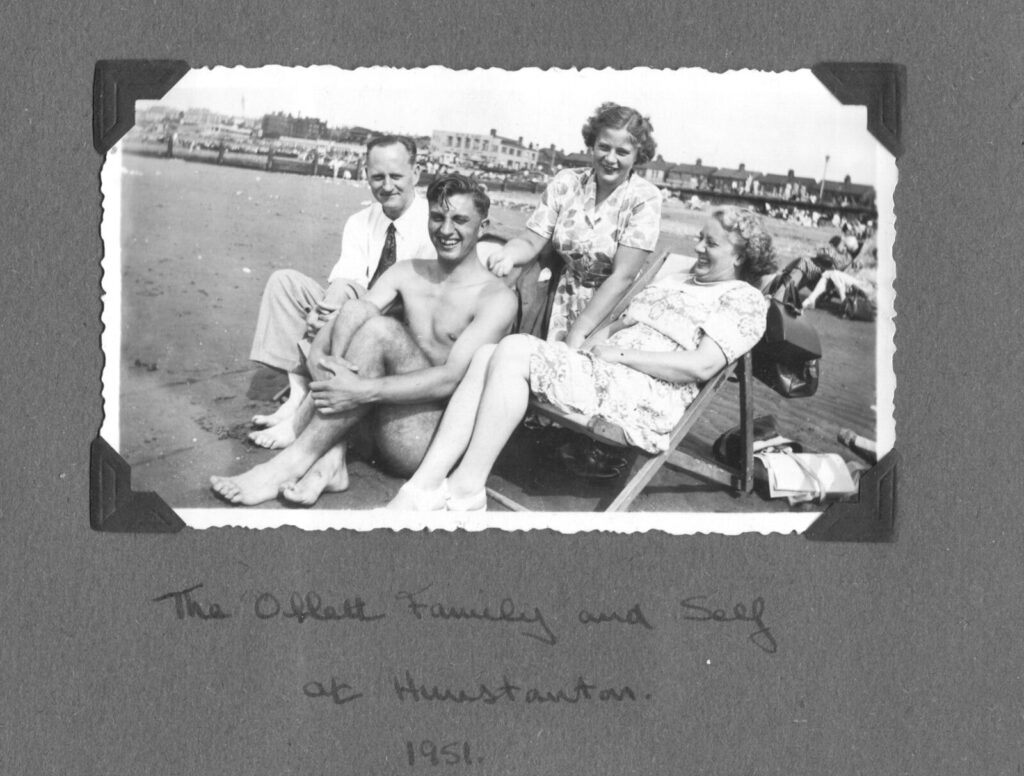
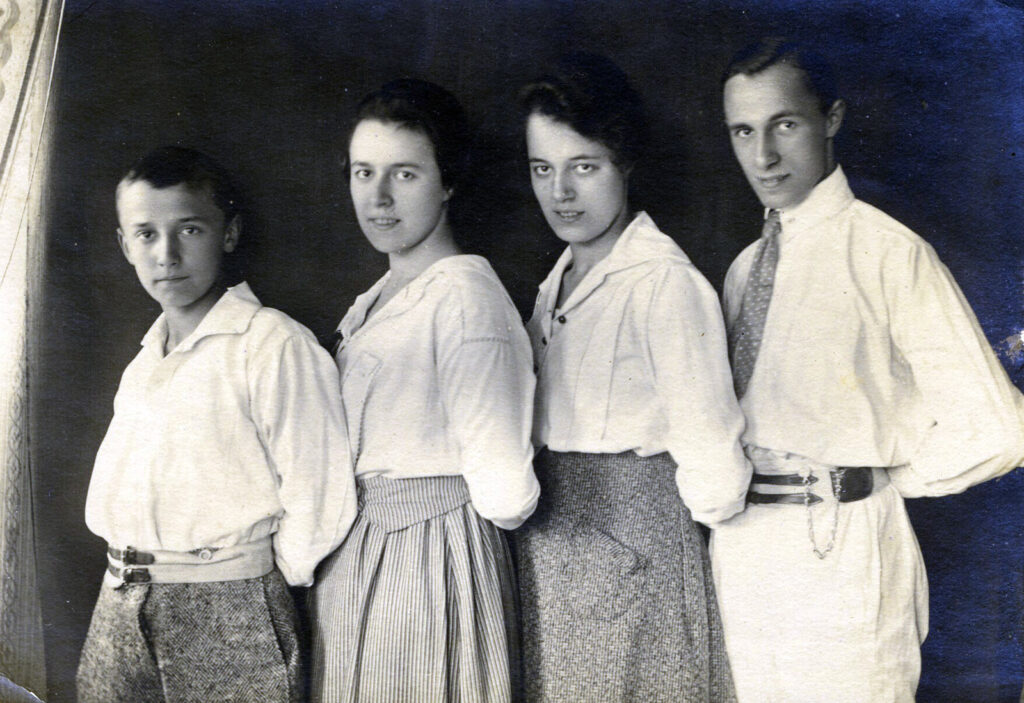
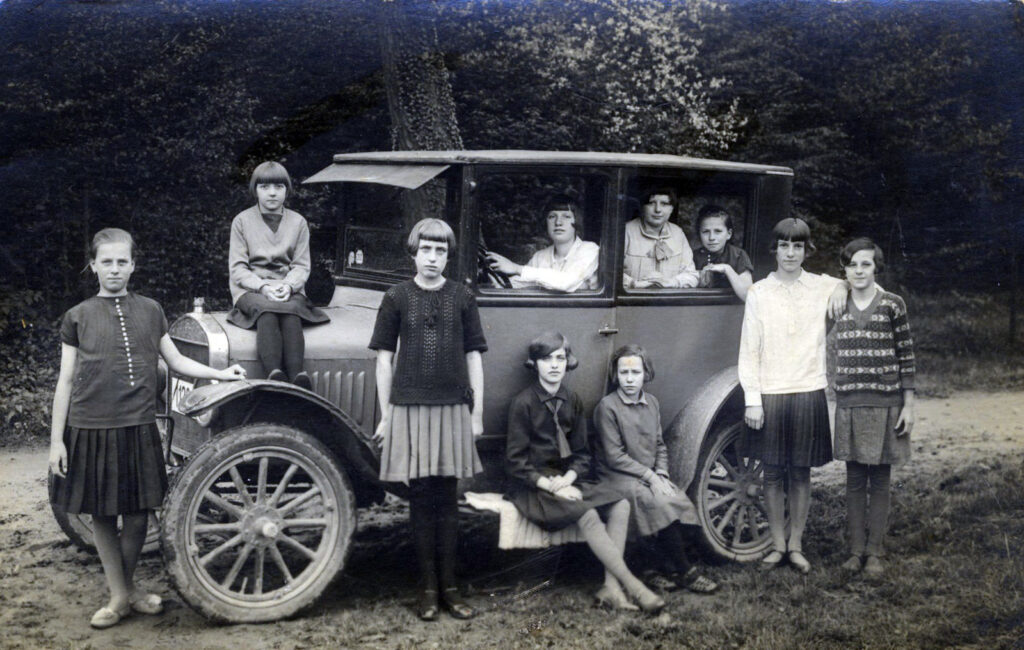
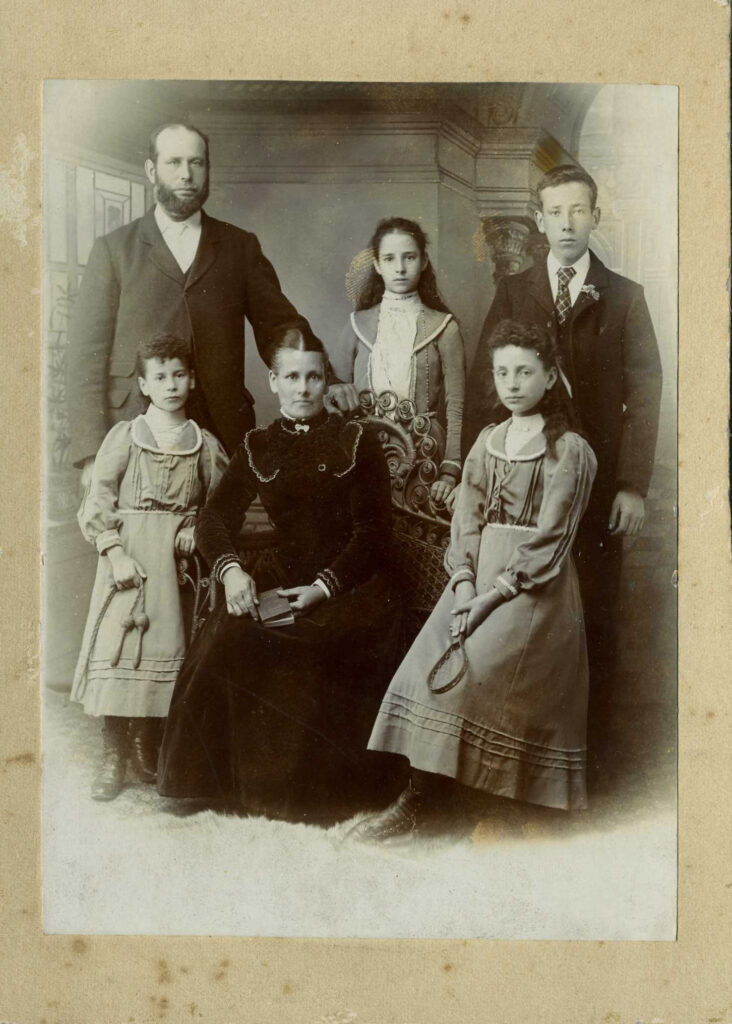
There must be zillions of family photographs in the world. Here are a few from my collection.

As you can imagine families featuring military personnel abound from both world wars and we can only guess whether they all survived the conflicts. In the second of these photographs you can see the man with a pipe in the upper left has been cut out of another photo and pasted in. Was he someone lost from the family?

This one was dated 29th Nov 1916. The message on the reverse is in German and addressed to a family in the Netherlands.

Days out at the seaside is a popular theme.

This good-looking bunch are almost too good to be true. Are they performers of some type?

I know families used to be much bigger but I’m not sure these are all from the same family.

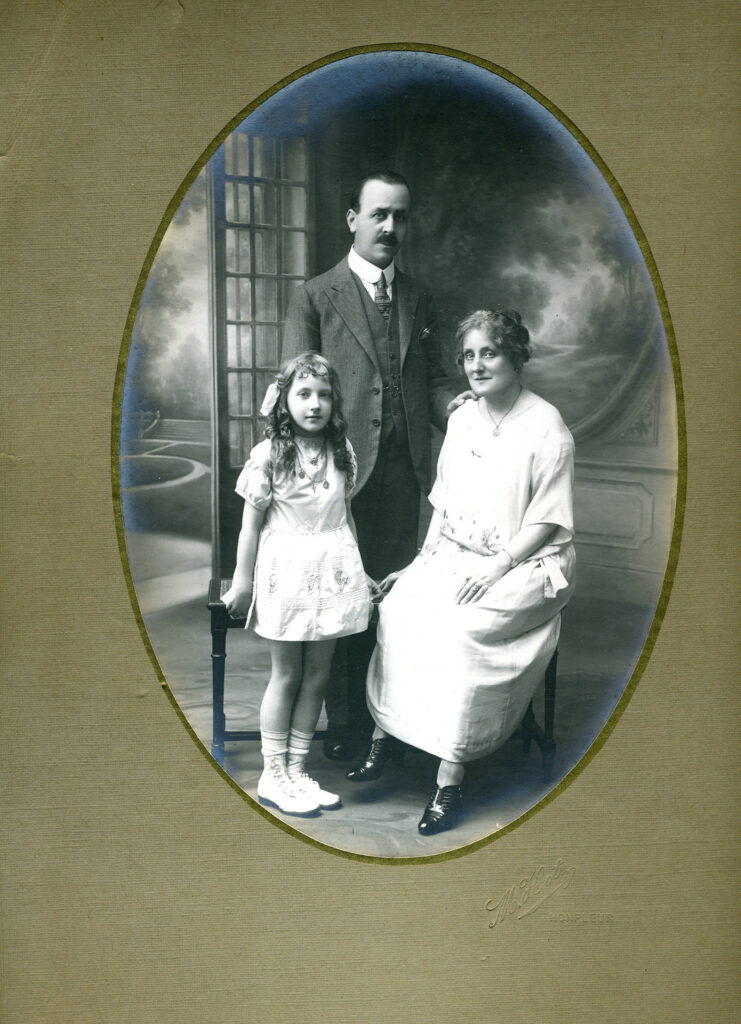
The photographer looks like M Hotz of Honfleur. This photograph is much larger than a standard cabinet card.

Another plus sized card but no information on the photographer or the family.

Categories
Edwardian photography Social history

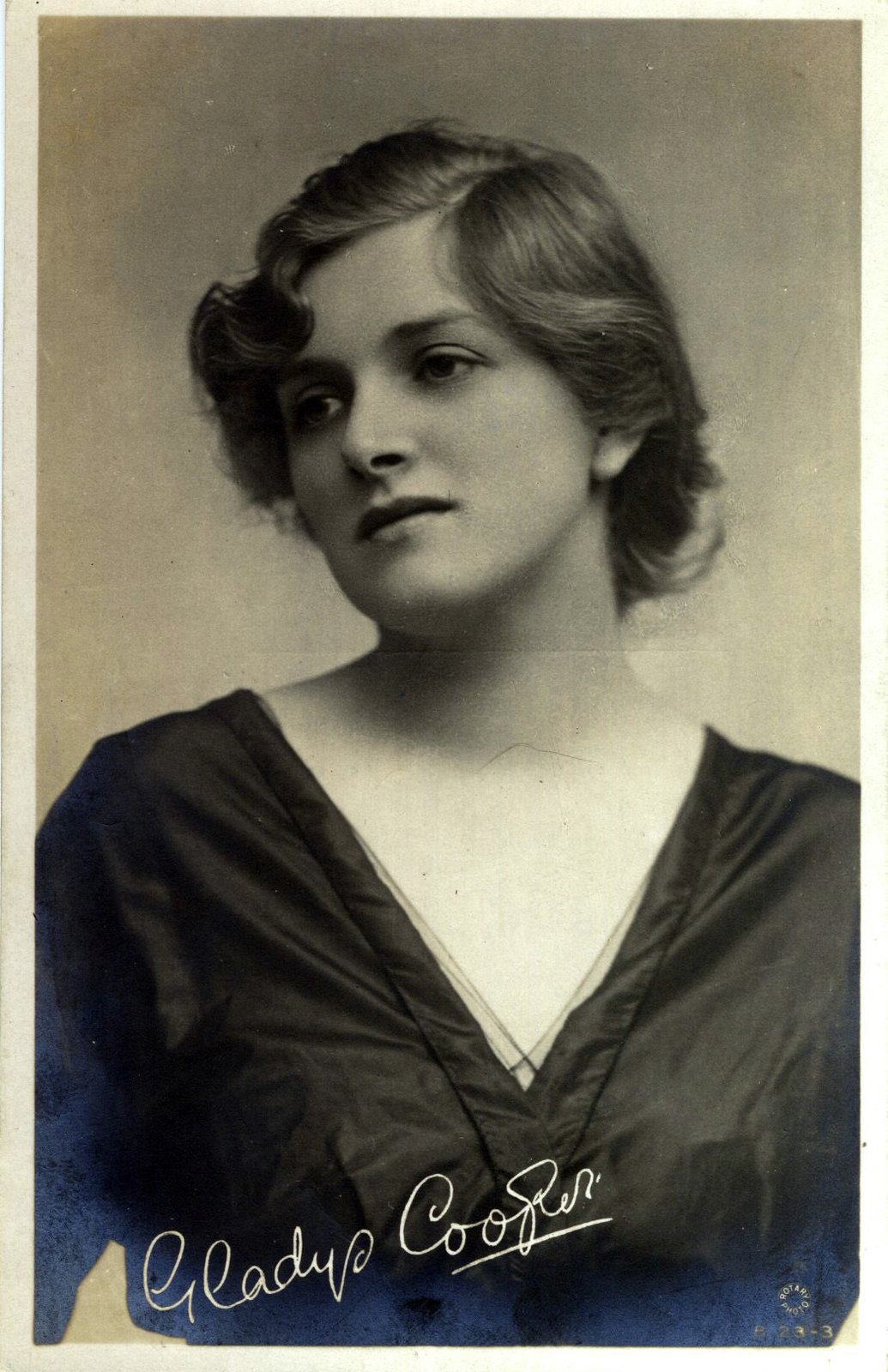
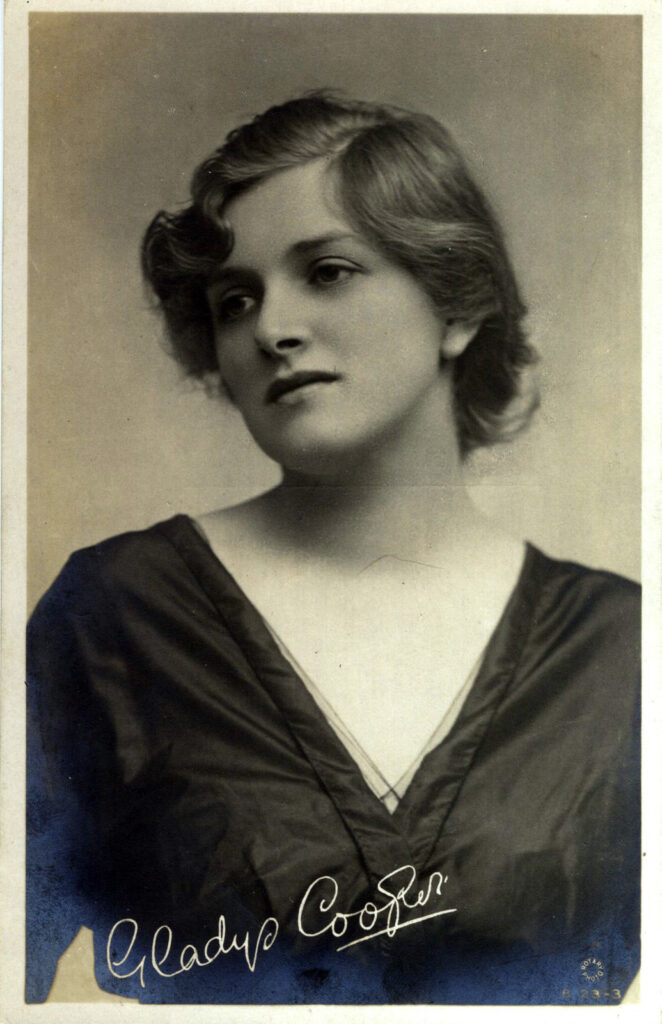
Gladys Cooper the first postcard superstar

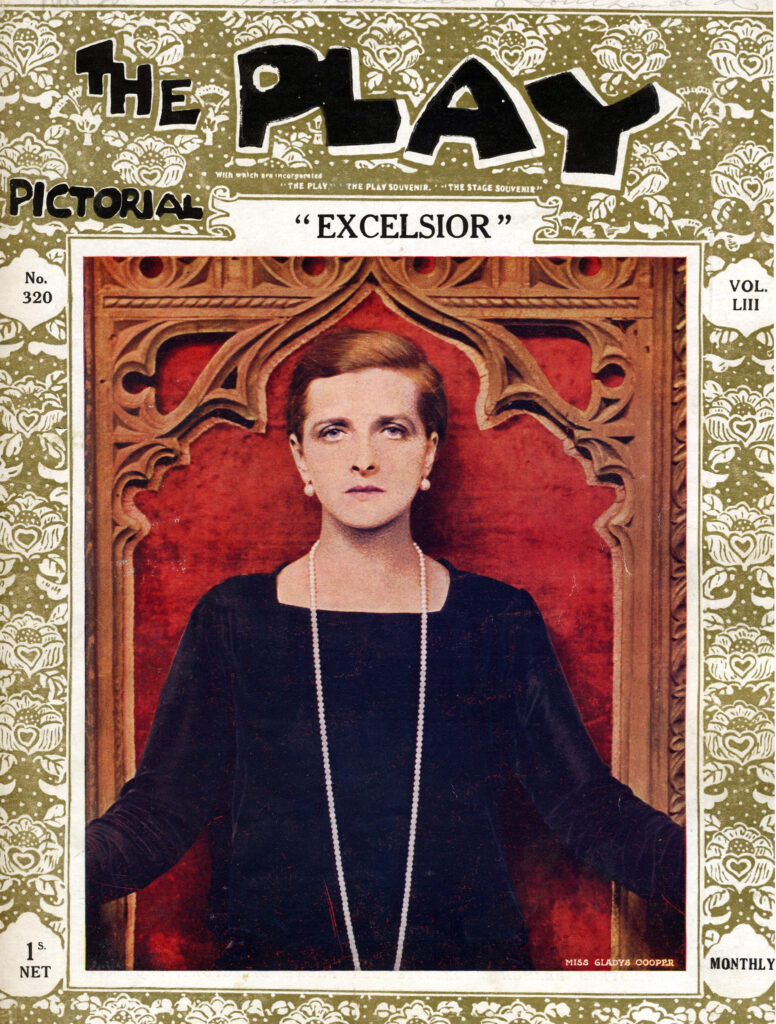
According to Sheridan Morley, one of Gladys’ grandchildren, in his biography of her over 400 different postcards of her were produced between 1905 and 1920. Each postcard would have had many thousands of reprints. You can get an idea of her popularity and longevity as a celebrity by looking on ebay. When I checked today there were 1700 listings for postcards of Gladys and I would expect to see similar numbers on any day of the week.

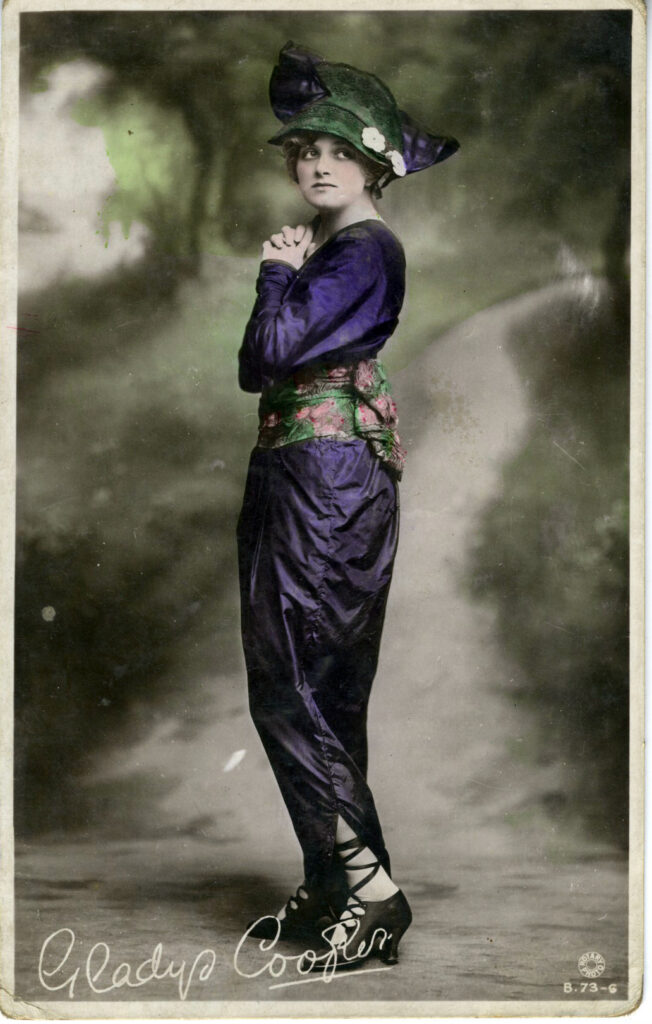
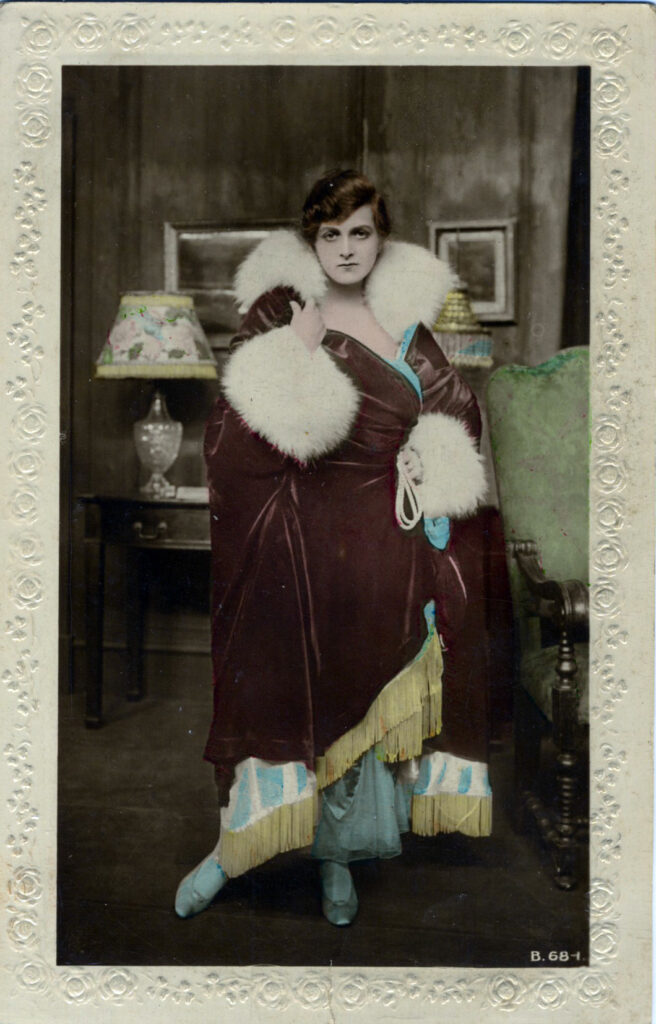
You can find postcards of Gladys in black and white, colour, hand tinted. partially tinted, on greetings cards and so on. Often her distinctive signature is shown on the cards.

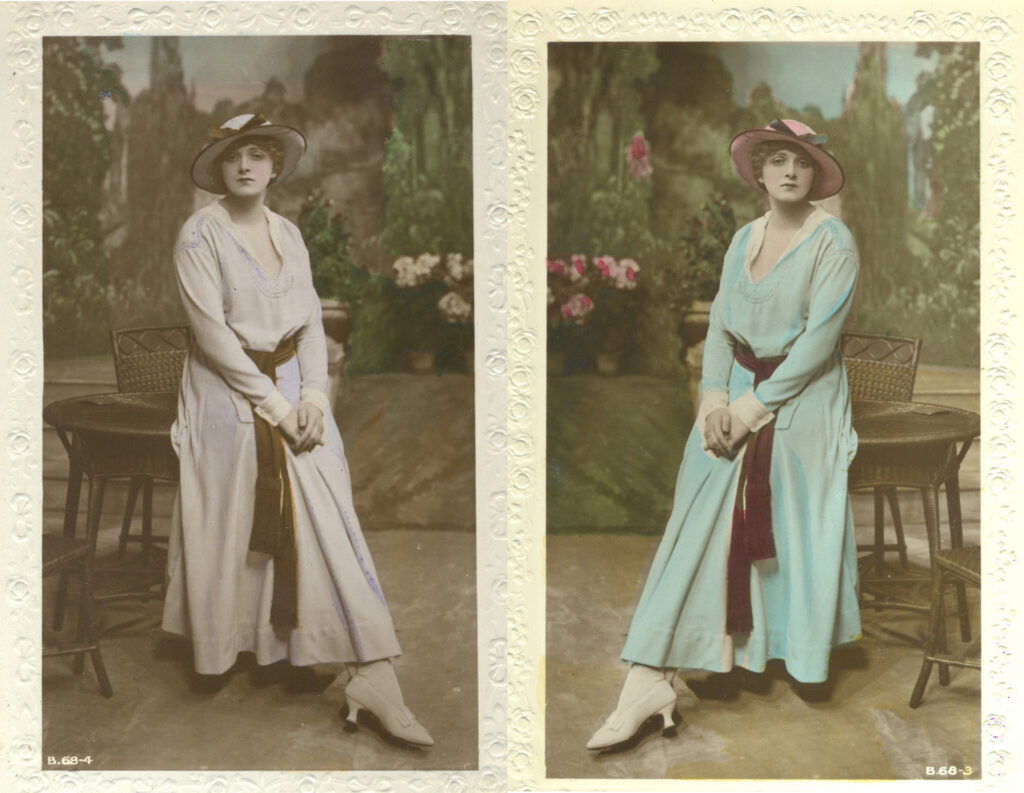
This pair of postcards are indicative of the many variations of postcards that were produced. She’s wearing exactly the same clothes in both but the colouring and orientation have been changed.

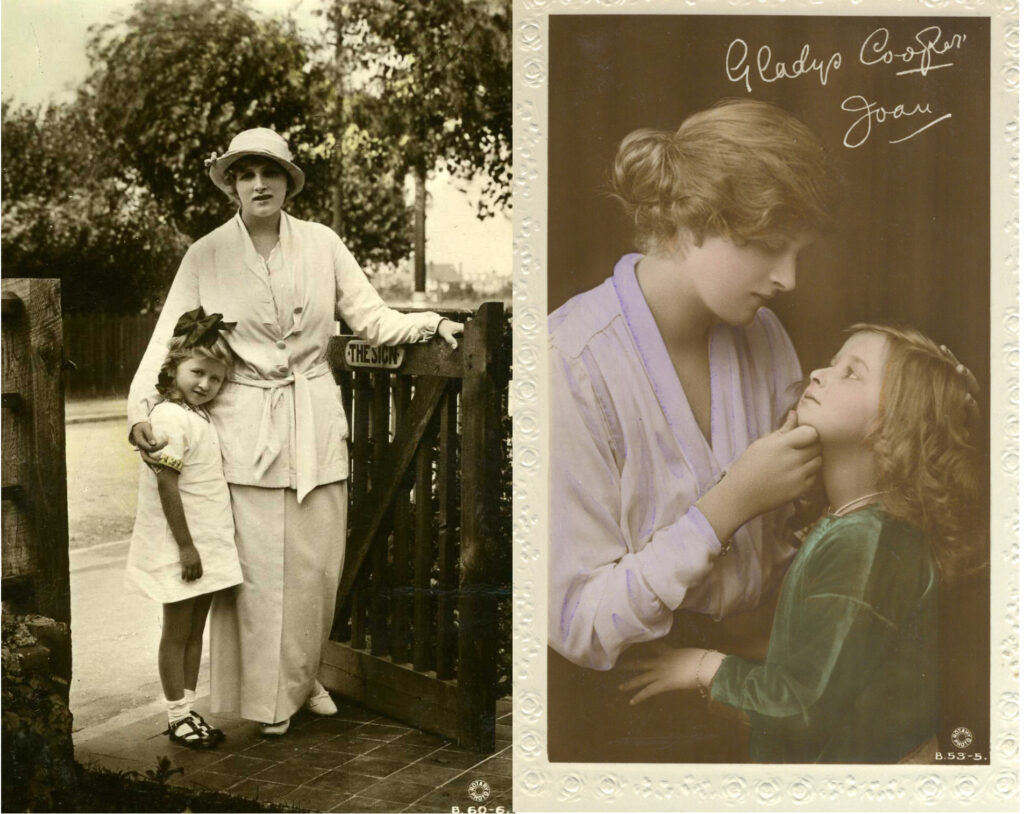
Gladys was often photographed with her children. Here she is with daughter Joan. Note Joan’s signature on the right hand photo though I doubt her handwriting was so similar to her mother’s.

Postcards were only a sideline for Gladys. She was an actress appearing in many stage plays from the 1920s and later had a career as a film actress. You can see her in Hitchcock’s Rebecca for instance.

If you want to see more Gladys Cooper postcards you’ll find them with a simple online search. My own modest collection can be seen here.

Categories
photography

How it all began

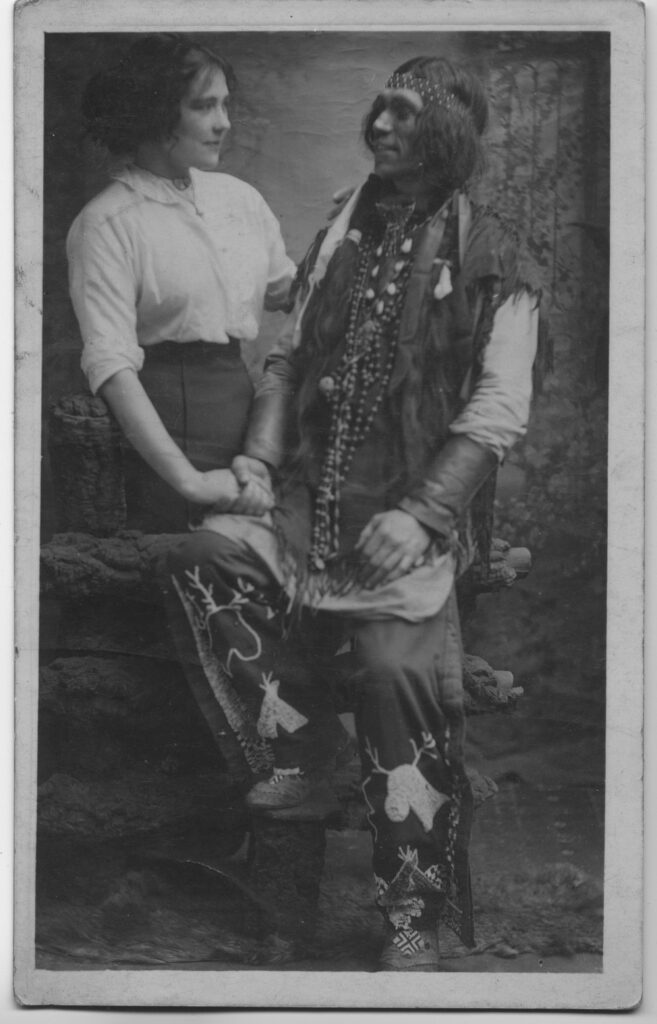
It’s going back some years now but finding this photograph got me interested in collecting old photos in the first place. Like many people I had some topographical postcards but this was the first time I started thinking about the social history to be explored in old photographs and real photographic postcards (RPCCs).

I found it in a box of old photos at a table-top sale in the Community Centre, Cromford, Derbyshire. It was with a bunch of other unrelated photos and postcards at a stall selling general bric-a-brac and antiques. There’s nothing to identify who it is or where it comes from and it’s a real photograph, not a postcard. There’s no studio name on it either. So it’s all a mystery still even though other people have tried to find out more about it.

Looking again at the man’s outfit it doesn’t seem very authentic. Her clothes probably place the time as somewhere in the Edwardian era. The backdrop says it’s a studio but why would the man dress up like this? Was it for a play or theatre review or was he with a visiting “Wild West” show though these were more popular in the late Victorian era?

It’s unlikely I’ll ever know the true story but if you have any ideas then do contact me.